News
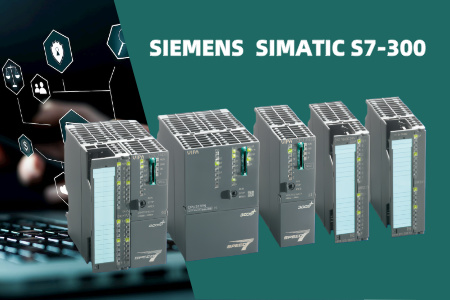
  • SIMATIC S7-300: The Enduring Workhorse of Global Automation
    SIMATIC S7-300: The Enduring Workhorse of Global Automation Jan 19, 2026
    For over two decades, the SIMATIC S7-300 has remained a cornerstone of industrial automation infrastructure worldwide. This modular programmable logic controller (PLC) system, developed by Siemens, continues to power critical operations across manufacturing, process industries, and infrastructure projects. Despite the introduction of newer generations, the S7-300's reliability, flexibility, and proven track record ensure its sustained presence on factory floors and project sites globally. Unmatched Legacy in Industrial Control The S7-300 series has achieved remarkable market penetration since its introduction. Industry estimates indicate that more than 15 million S7-300 controllers have been installed across 150+ countries. This extensive deployment translates into a vast ecosystem of trained engineers, established maintenance protocols, and readily available spare parts—factors that significantly reduce total cost of ownership for existing installations. In 2023 alone, third-party suppliers reported consistent demand for S7-300 components, with CPU modules and I/O cards accounting for approximately 35% of legacy PLC replacement sales in the Asia-Pacific region. This sustained market activity demonstrates that the S7-300 is not merely surviving but actively maintaining critical infrastructure. Core Technical Specifications The system's enduring relevance stems from its robust design parameters. The S7-300 family handles applications ranging from simple machine control to complex process automation with cycle times as low as 0.1 microseconds per operation. Memory capacities extend from 64 KB for basic CPUs to 8 MB for high-performance processors, accommodating programs with up to 16,000 function blocks. Key technical advantages include: • Modular architecture supporting up to 32 modules per rack • Operating temperature range of -25°C to +60°C for extended environmental tolerance • Integrated PROFIBUS DP interface on most CPUs, enabling communication at speeds up to 12 Mbps • Mean time between failures (MTBF) exceeding 250,000 hours for CPU modules Continued Application Domains Modern surveys of industrial facilities reveal that S7-300 controllers manage approximately 40% of legacy automated assembly lines in the automotive sector. In building automation, the system controls HVAC and safety systems in an estimated 22,000 commercial structures across Europe and North America. Water treatment facilities particularly value the S7-300's reliability, with the controller managing filtration processes in plants serving over 60 million people globally. The pharmaceutical industry presents another stronghold. Despite regulatory pressures for modernization, 68% of validated production lines installed before 2015 continue using S7-300 systems due to revalidation costs and proven process consistency. These controllers maintain batch records, manage cleanroom environments, and ensure compliance with FDA 21 CFR Part 11 requirements when paired with appropriate s...
    view details
  • Driving Automation Forward: Apter Power’s 2026 Global Initiatives
    Driving Automation Forward: Apter Power’s 2026 Global Initiatives Jan 08, 2026
    As the automation industry continues to evolve at a rapid pace, Apter Power is proud to announce its 2026 global initiatives aimed at strengthening partnerships, expanding product availability, and enhancing technological solutions for clients worldwide. With over two decades of experience in industrial automation components, Apter Power remains committed to delivering reliable, high-quality solutions for both new and obsolete equipment, ensuring that industrial processes remain efficient and uninterrupted. Expanding Global Reach In 2026, Apter Power is focusing on increasing its presence in key industrial regions, including North America, Europe, Southeast Asia, and the Middle East. The company aims to reduce lead times and ensure faster delivery by leveraging its global logistics network and regional warehouses. According to internal projections, this expansion is expected to improve delivery times by up to 35% for urgent orders and support over 50,000 industrial facilities worldwide. Region Planned Warehouse Expansion Estimated Delivery Time Reduction North America Chicago, USA 30% Europe Frankfurt, Germany 25% Asia-Pacific Singapore 35% Middle East Dubai, UAE 20% This strategic growth ensures that clients can access critical automation parts, such as PLCs, DCS controllers, industrial communication modules, and safety systems, without delays that could impact production. Product Availability and Reliability Apter Power’s commitment to product reliability remains a core pillar of its 2026 initiatives. All parts and components in our company are guaranteed to be 100% genuine and brand new. This approach not only ensures optimal performance but also provides clients with long-term stability for their automation systems. In addition, Apter Power maintains a stock of over 30,000 items in its central warehouses, covering leading brands such as ABB, Siemens, Honeywell, Bently Nevada, ICS Triplex, Yokogawa, GE Fanuc, and Schneider Electric. Key product categories include: · PLCs (Programmable Logic Controllers): Optimized for process control in manufacturing, power generation, and petrochemical industries. · DCS (Distributed Control System) Modules: Supporting redundant, high-availability operations in critical applications. · Industrial Communication Converters: Anybus gateways and protocol converters for seamless system integration. · Safety Systems: Triconex and other TMR (Triple Modular Redundant) solutions to ensure fail-safe operation. By maintaining a robust inventory and ensuring product authenticity, Apter Power minimizes operational downtime for clients and helps industrial facilities avoid costly disruptions. Technology-Driven Solutions Apter Power’s 2026 initiatives are not limited to supply chain improvements. The company is also investing heavily in technology-driven solutions to help industries achieve higher efficiency, reliability, and data-driven insights. For example, integrating IoT-enabled s...
    view details

  • Holiday Season Factory Guide: Optimizing Automation Spare Management
    Holiday Season Factory Guide: Optimizing Automation Spare Management Dec 25, 2025
    Introduction The holiday season often brings increased production demands, reduced staffing, and tighter supply chains. For manufacturing facilities that rely on automated systems, uninterrupted operations require strategic management of automation spare parts. Effective inventory planning, proactive procurement, and preventive maintenance are essential to minimize downtime and maintain efficiency during this critical period. Assessing Critical Spare Parts Needs The first step in optimizing spare parts management is identifying critical components that directly affect production continuity. Components such as PLC modules, DCS cards, motor controllers, and industrial sensors are among the most frequently required for immediate replacement. Data from industrial maintenance reports indicate that nearly 60% of manufacturing facilities experience unplanned downtime during peak seasons due to insufficient spare parts. When planning inventory for the holiday season, consider both lead time and the criticality of the components. Fast-moving parts with shorter lead times may require slightly larger stock, while high-cost or specialized components should be available in minimal yet sufficient quantities to avoid production delays. Maintaining an updated inventory record of each critical component and monitoring historical replacement rates allows production teams to anticipate needs and allocate resources effectively. Streamlining Procurement and Supplier Coordination Holiday periods often disrupt supply chains, making proactive supplier coordination essential. Early orders and timely communication with suppliers can ensure that critical components are delivered without delay. Facilities should maintain real-time visibility of stock levels, set reorder alerts, and prioritize procurement for high-demand components to prevent stockouts. In addition, creating contingency plans for hard-to-source parts can further reduce the risk of emergency downtime. Pre-negotiating priority delivery options with suppliers and establishing rapid communication channels help ensure that production does not halt due to unavailability of essential parts. Industry data shows that facilities implementing structured procurement strategies reduce emergency procurement incidents by approximately 40%, significantly enhancing operational reliability. Implementing Preventive Maintenance During Peak Season Preventive maintenance is another essential element of holiday season readiness. Regular inspection of critical automation components, including PLC systems, motor controllers, and safety devices, helps detect wear, degradation, or potential failure before it affects production. Recommended practices include scheduling quarterly checks of automation modules, conducting functional tests of redundant controllers, and maintaining detailed records of part replacements. Documenting the operational history of components allows maintenance teams to anticipate failures, estimate spare requirem...
    view details
  • How Dual Channel Redundancy Boosts Safety in Chemical & Pharma Plants
    How Dual Channel Redundancy Boosts Safety in Chemical & Pharma Plants Dec 13, 2025
    Introduction Safety is paramount in chemical and pharmaceutical plants, where process failures can lead to significant hazards, production losses, and environmental risks. Dual channel redundancy systems, integrated with modern Distributed Control Systems (DCS), have emerged as a robust solution to enhance operational reliability and maintain high safety standards. By providing real-time fault detection and failover capabilities, these systems ensure continuous monitoring and control of critical processes. Understanding Dual Channel Redundancy Dual channel redundancy refers to a control architecture where two independent channels operate in parallel, continuously comparing each other’s outputs.  If one channel fails, the system automatically switches to the healthy channel without disrupting operations. Feature Benefit Parallel Control Channels Continuous operation even if one channel fails Real-Time Fault Detection Early identification of anomalies to prevent accidents Automatic Failover Zero downtime during critical process failures SIL Compliance Meets Safety Integrity Level requirements (SIL 2/3) In practice, dual channel redundancy minimizes single points of failure, which are particularly critical in chemical reactors, pharmaceutical production lines, and storage facilities handling hazardous materials. Applications in Chemical Plants Chemical plants often involve complex reactions, high temperatures, and pressure-sensitive processes. Any deviation from safe operational parameters can trigger costly shutdowns or catastrophic incidents. Dual channel redundancy ensures: 1.Continuous Reactor Monitoring: Both channels independently monitor temperature, pressure, and flow, ensuring consistent process control. 2.Emergency Shutdown Systems (ESD): Redundant channels guarantee rapid shutdown in case of critical faults, complying with international safety standards. 3.Data Integrity: Dual-channel architecture ensures that logged data is verified and accurate, supporting process audits and regulatory compliance. Statistical data from industry reports indicate that plants implementing dual channel redundancy experience up to 35% fewer unplanned shutdowns compared to single-channel systems. Applications in Pharmaceutical Plants Pharmaceutical manufacturing requires stringent adherence to process parameters to ensure product quality and regulatory compliance. Dual channel redundancy enhances safety and quality control by: · Critical Parameter Control: Independent channels monitor key parameters such as mixing speed, temperature, and pH levels, ensuring process consistency. · Batch Integrity: Automatic failover prevents batch contamination or loss due to unexpected control failures. · Regulatory Compliance: Systems support Good Manufacturing Practice (GMP) standards by providing verified, fault-tolerant control. In practice, pharmaceutical plants using dual channel redundancy report over 99.9% uptime&...
    view details
  • Multi-Protocol Integration: Why ProSoft Excels in Modbus TCP/IP and IIoT Networks
    Multi-Protocol Integration: Why ProSoft Excels in Modbus TCP/IP and IIoT Networks Dec 06, 2025
    When industrial facilities modernize their control networks, they often face the challenge of integrating old systems with newer digital platforms. As industries move toward IIoT (Industrial Internet of Things), standardized and secure communication between PLCs, DCS, SCADA, and smart sensors becomes more important than ever. ProSoft Technology, well recognized in industrial networking, provides solutions that bridge this communication gap without forcing plants to replace existing control infrastructure. 1. The Growing Demand for IIoT Network Integration In traditional automation environments, devices often communicate using a single protocol. However, modern facilities rely on several subsystems: · PLCs handling machine control · DCS performing process automation · SCADA providing supervisory control · Data historians storing operational data · Remote sensors collecting real-time field data When facilities adopt IIoT architectures, they expect data to flow seamlessly across all systems. Unfortunately, many networks remain isolated, leading to: · Latency in data retrieval · Limited remote monitoring capability · Manual configuration burdens · Vendor-specific communication restrictions This is where ProSoft’s multi-protocol Ethernet solutions show their value. 2. Why ProSoft Excels in Modbus TCP/IP Applications Modbus TCP/IP has long been one of the most versatile industrial communication protocols. The beauty of Modbus lies in its simplicity—logical addressing, easy mapping, and functional interoperability. ProSoft Ethernet modules enhance Modbus environments by: ✔ Supporting Fast Data Exchange Data mapping between Modbus devices is efficient, reducing polling delays and improving overall SCADA responsiveness. ✔ Simplifying Cross-Platform Integration Whether Modbus data originates from a PLC, CNC, DCS, or sensor, ProSoft modules allow it to be mapped into modern automation networks without creating bottlenecks. ✔ Enabling Reliable System Expansion Plants frequently add analyzers, drives, meters, or analyzers. ProSoft modules help integrate them without re-engineering the network. ProSoft products do not modify existing controllers. Instead, they act as intelligent gateways, preserving the legacy system investment while enabling a connected digital factory. 3. Supporting Ethernet/IP and Multi-Protocol Operation Ethernet/IP remains dominant in Allen-Bradley/ControlLogix environments, especially in manufacturing, packaging and material handling industries. Many facilities now run Ethernet/IP systems alongside Modbus TCP/IP devices. ProSoft’s role in this multi-protocol environment includes: ✔ Translating Data Across Protocol Boundaries Ethernet/IP data can be shared with Modbus networks and vice versa. This is essential in plants where systems come from multiple vendors. ✔ Improving Visibility for IIoT Applications To achieve smart analytics, cloud connectivity, and predictive maintenance,...
    view details
  • MicroLogix PLC Demand Rises in Water and Building Automation
    MicroLogix PLC Demand Rises in Water and Building Automation Nov 29, 2025
    MicroLogix Series micro programmable controllers continue to gain market attention as global demand for compact automation solutions accelerates. With increasing digitalization in water treatment plants and smart building systems, small-scale PLCs are becoming essential for stable, cost-efficient control. Growing Demand Across Key Sectors Recent industry data shows that over 35% of small-scale automation upgrades worldwide in 2024 were driven by water treatment and building management projects. MicroLogix PLCs, known for their compact size, reliability, and flexible I/O options, have been widely adopted in these sectors due to their simple configuration and scalable performance. Water utilities increasingly rely on MicroLogix controllers for pump sequencing, chemical dosing, flow monitoring, and remote data collection. In commercial buildings, the series supports HVAC management, lighting automation, energy monitoring, and equipment protection—helping facility managers reduce energy consumption and maintenance costs. Product Overview: MicroLogix Series MicroLogix PLCs are designed for compact automation applications requiring low installation cost and robust performance. Key advantages include easy programming through RSLogix software, strong communication capabilities, and stable operation in harsh field environments. Below is a quick comparison of typical MicroLogix models: Model Digital I/O Analog Support Communication Ports Typical Use Case MicroLogix 1000 Up to 32 Optional RS-232 Basic pump & motor control MicroLogix 1100 Up to 40 Built-in AI/AO Ethernet, RS-232 Remote monitoring, small BMS MicroLogix 1200 Up to 48 Expansion I/O RS-232/RS-485 Water treatment dosing control MicroLogix 1400 Up to 144 Enhanced AI/AO Ethernet/IP, Modbus High-I/O building automation MicroLogix 1500 Up to 160 Modular design Multiple ports Distributed systems & advanced logic These controllers are especially valued for their durability, with many field installations demonstrating over 10 years of uninterrupted operation under continuous load. Key Applications 1. Water Treatment Automation MicroLogix PLCs offer reliable control for critical processes such as filtration, sedimentation, booster pump stations, and chemical feed regulation. Their small footprint makes them suitable for distributed control panels in constrained plant spaces. Typical features used in water facilities include: · Real-time flow and pressure monitoring · Automatic pump switching for load optimization · Remote SCADA integration via Ethernet/IP or Modbus · Alarm and event logging to improve operator response time 2. Building Automation & Facility Management Smart buildings increasingly require flexible and efficient control of HVAC, ventilation, lighting, and energy metering. MicroLogix PLCs support these needs by providing scalable I/O configurations and reliable digital/analog processing. Common building system applications include: · Temperature and humidity control loops · Fan ...
    view details
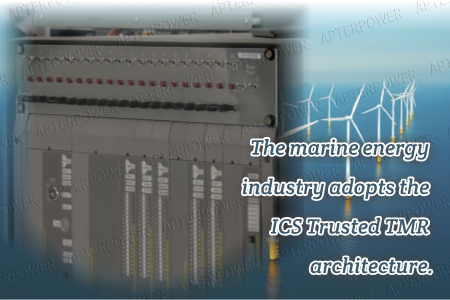
  • ICS Trusted Series Enhances Offshore Platform Uptime with Online Maintenance
    ICS Trusted Series Enhances Offshore Platform Uptime with Online Maintenance Nov 17, 2025
    Subsea production facilities live or die by continuity—every unplanned stoppage can erase seven-figure revenues and put crew safety on the line. The ICS Trusted family answers with live-maintenance architecture that lets platforms stay on stream while faults are found and fixed. High Reliability for Critical Offshore Operations The ICS Trusted Series is designed for mission-critical environments. Featuring a Triple Modular Redundancy (TMR) architecture, the system ensures continuous operation even if one module fails. This redundancy is crucial for offshore platforms, where immediate technical support may be limited. Key benefits include: · 99.999% system availability, minimizing downtime and production losses. · TMR-based failover, allowing continuous operation during module failures. · Support for emergency shutdown (ESD) and safety interlocks, protecting both personnel and assets. Feature Specification Benefit Redundancy Architecture Triple Modular Redundancy (TMR) Continuous operation if failure occurs Module Hot-Swap Supported Maintenance without shutdown Communication Protocols Modbus, PROFIBUS, Ethernet/IP Seamless integration with other systems Lifecycle Management 15+ years typical Reduced total cost of ownership Online Maintenance Capabilities One of the most significant advantages of the ICS Trusted Series is its online maintenance functionality. Engineers can perform diagnostics, replace modules, and update configurations without halting platform operations. Benefits include: · Reduced planned downtime: Routine maintenance no longer requires system shutdown. · Real-time monitoring: Continuous data collection allows predictive maintenance, reducing the risk of unplanned failures. ·Simplified troubleshooting: Built-in diagnostics highlight component health and performance trends. According to industry reports, platforms using advanced online maintenance systems experience up to 20% increase in operational uptime, translating into millions of dollars in recovered production value annually. Plug-and-Play with Legacy Assets Trusted racks slide into existing DCS/SCADA backbones via Modbus, PROFIBUS or Ethernet/IP. Whether the job is topsides separation, gas lift, water injection or subsea trees, the same hardware set scales from 50 to 20 000 I/O without rewiring. Built for Salt, Spray and sway Conformal-coated boards and sealed metalwork survive –20 °C to +70 °C, 95 % RH condensing, and 4 g vibration. The result: a fourfold drop in premature hardware swaps compared with standard single-channel PLCs. Conclusion For offshore operators seeking to maximize uptime, enhance safety, and optimize maintenance processes, the ICS Trusted Series provides a proven solution. Its combination of TMR architecture, online maintenance capabilities, and robust design ensures platforms remain operational even under challenging conditions. For more information and tailored solutions, contact: Apter Power – Sales Manager May Email: s...
    view details

  • Maximizing Safety with Honeywell FSC in Mission-Critical Environments
    Maximizing Safety with Honeywell FSC in Mission-Critical Environments Nov 05, 2025
    In today’s industrial landscape, safety and reliability are paramount, particularly in mission-critical environments such as oil and gas, chemical processing, power generation, and aerospace operations. Equipment failures or process disruptions in these sectors can result in catastrophic consequences, including financial loss, environmental damage, and threats to human life. Honeywell’s Fail Safe Controller (FSC) offers a robust solution, designed to deliver high reliability and uncompromising safety in these high-stakes applications. Reliable Fail-Safe Design The Honeywell FSC is engineered to maintain safe operation even under extreme conditions. Its fail-safe architecture ensures that in the event of system faults, the controller transitions processes into a safe state automatically. This design significantly reduces the risk of unsafe conditions or catastrophic failures. By integrating redundancy and real-time monitoring capabilities, FSC provides continuous assurance that mission-critical operations remain under control, even during unexpected disturbances. Applications in Critical Industries Honeywell FSC finds applications across a range of industries where operational integrity is non-negotiable. In chemical and petrochemical plants, FSC ensures that hazardous reactions are continuously monitored and controlled, minimizing the risk of spills or explosions. In power generation, the controller safeguards turbines, boilers, and associated infrastructure against operational anomalies. The system’s precision and reliability make it equally suitable for aerospace testing facilities and other environments requiring uncompromised safety standards. Seamless Integration with Existing Systems A key advantage of Honeywell FSC is its flexibility for integration into existing Distributed Control Systems (DCS) and Safety Instrumented Systems (SIS). The controller supports communication protocols that allow it to operate alongside Experion LX, TDC2000, TDC3000, and other Honeywell platforms. This seamless interoperability reduces implementation complexity, allowing organizations to enhance safety without disrupting ongoing operations or requiring extensive system overhauls. Enhanced Monitoring and Diagnostics Honeywell FSC is equipped with advanced diagnostic tools that continuously monitor system performance. Operators can detect potential issues before they escalate into critical failures. Detailed reporting and real-time alerts improve response times, ensuring that corrective actions are taken promptly. This proactive approach not only enhances safety but also optimizes operational efficiency, reducing downtime and maintenance costs. Popular Honeywell FSC Models Model Number Description Key Features FSC C200 Fail-safe controller for small-to-medium critical processes Redundant CPU, real-time diagnostics FSC C300 High-capacity controller for large-scale operations Modular design, enhanced fail-safe logic FSC Safety Edge Safety interface module Emergenc...
    view details

1 2 3 4 5 ... 19

A total of 19 pages

Leave A Message

Leave A Message
If you have questions or suggestions,please leave us a message,we will reply you as soon as we can!
Submit

Home

Products

Contact

whatsapp